

Wall Plate Configurations
Three things decide the right plate: how many gangs, which opening each gang needs, and the size. Here's how to read your wall, in four quick steps.
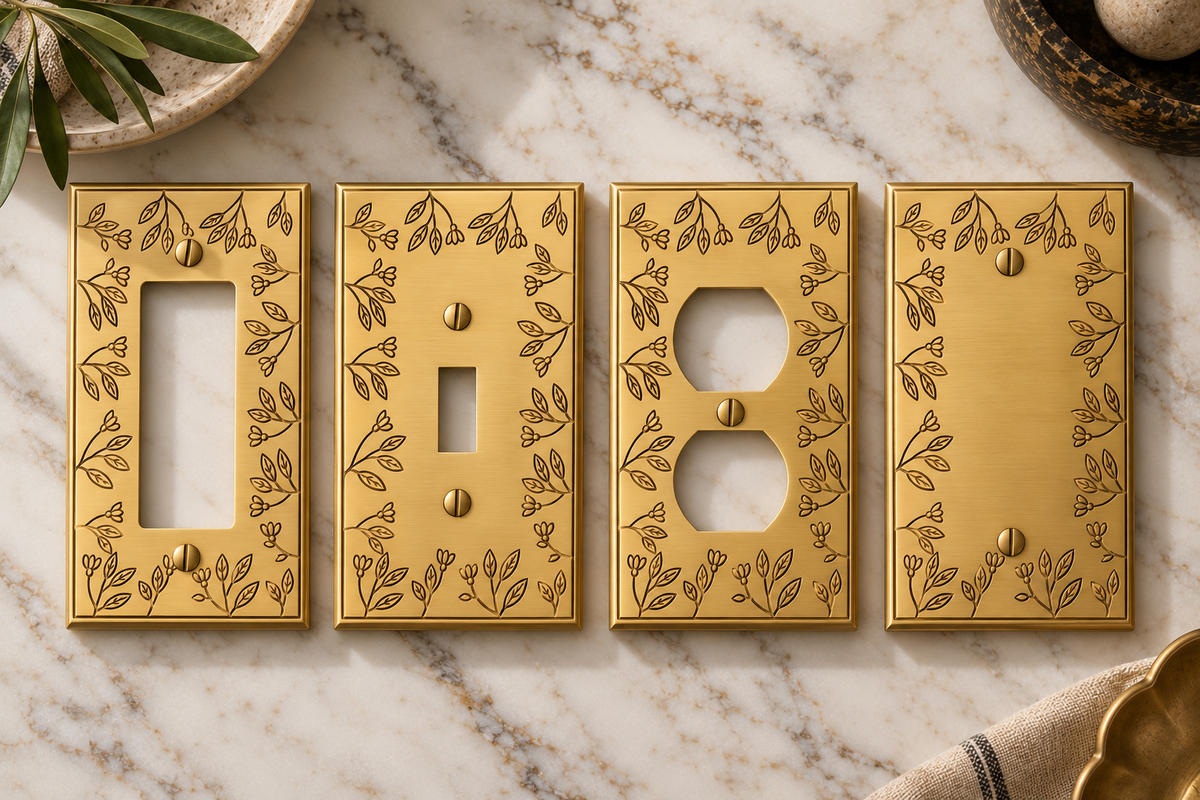
Shop By Configuration
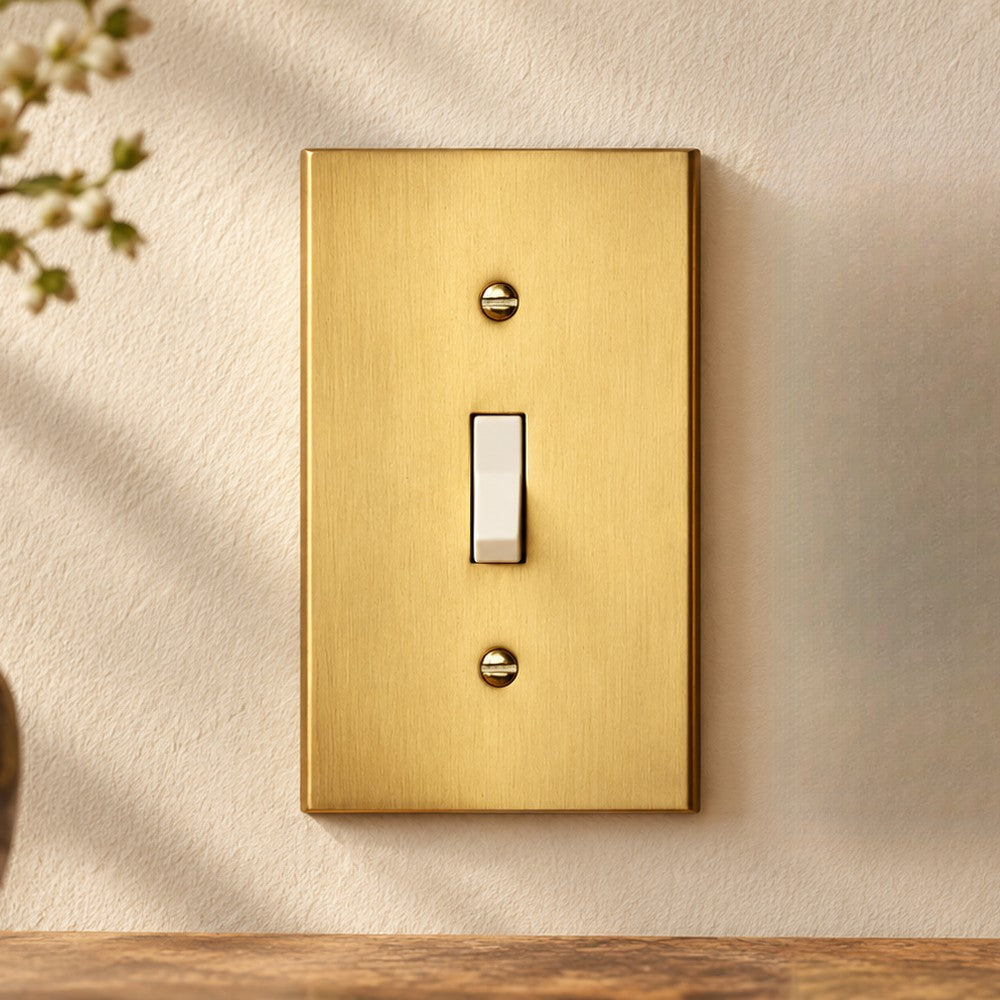
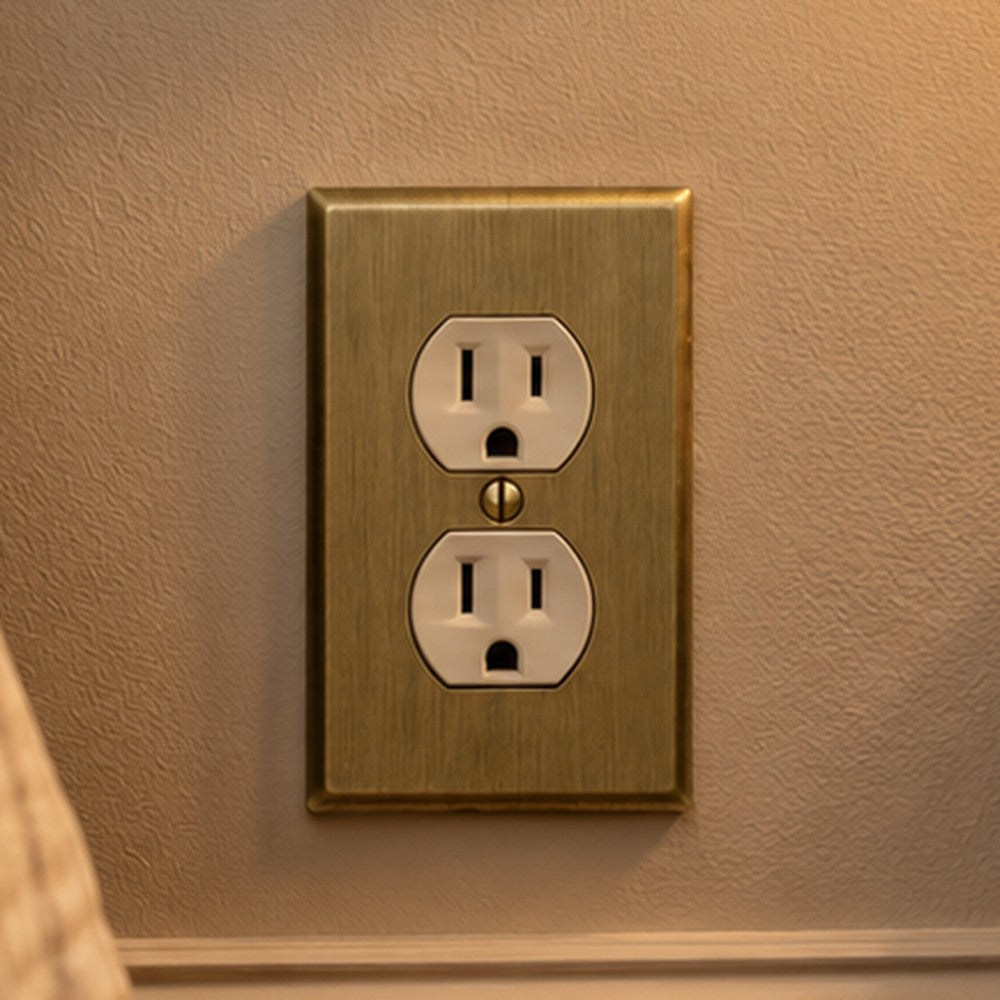

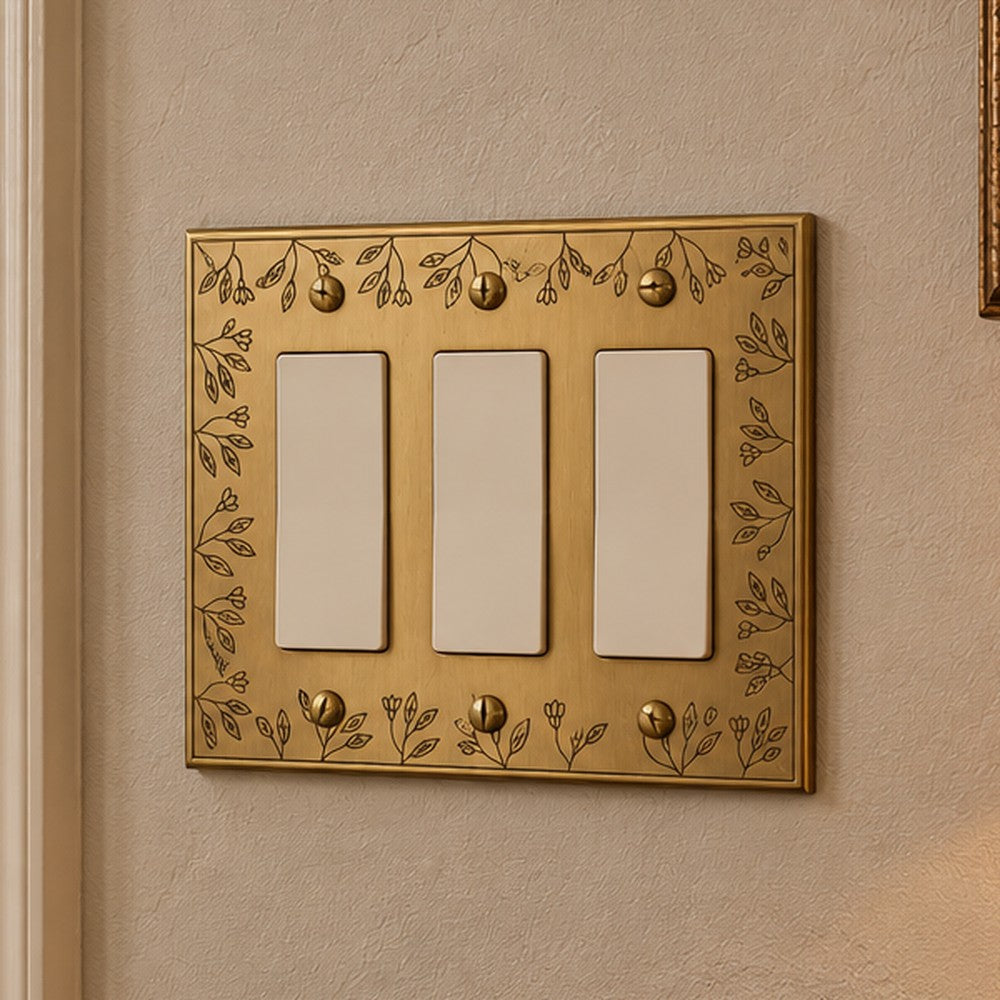
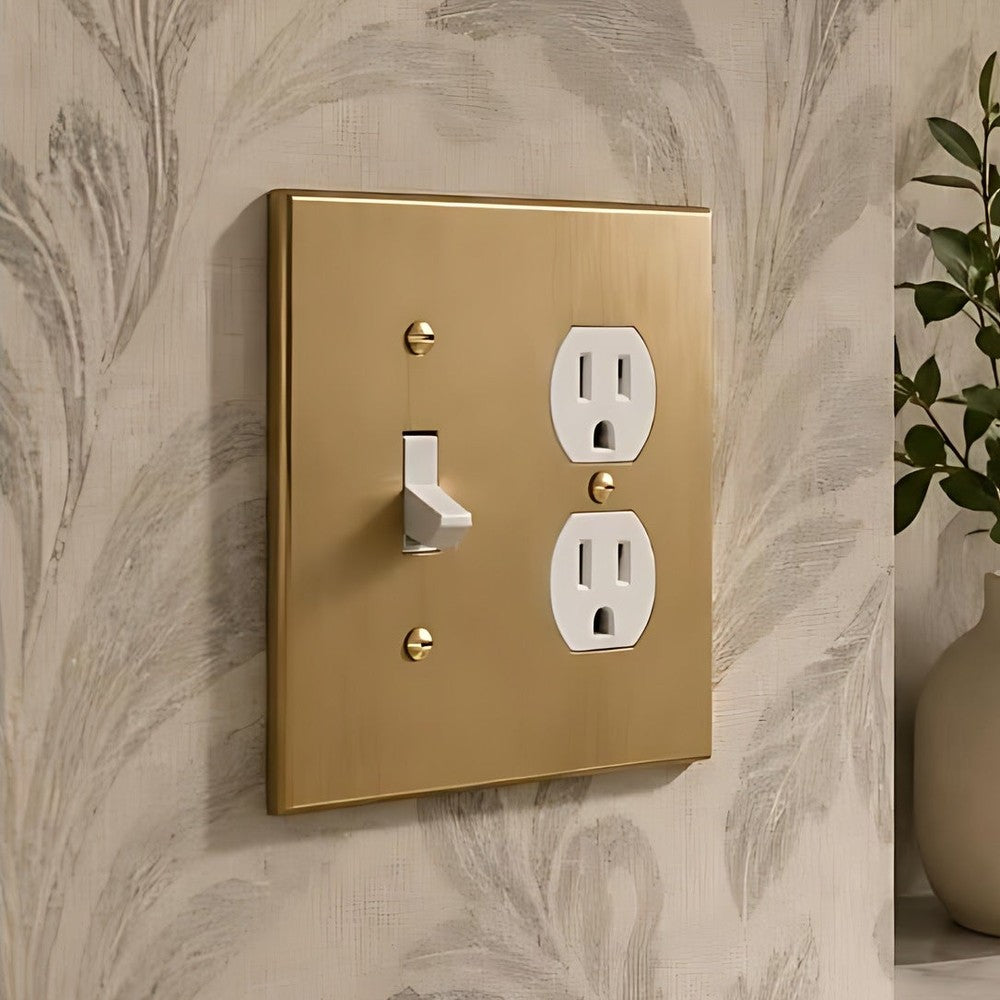
Count The Gangs
A gang is one position on the plate. Count every switch, outlet or blank space sitting side by side under one plate. We make 1-gang to 4-gang plates.
Two separate plates side by side are counted one at a time. Sizes shown are our most common Midsize; Signature, Deco and Scallop are listed in the table below.
Name Each Opening
Every gang has one opening, and each opening matches the device behind it. Most walls use one of these five.
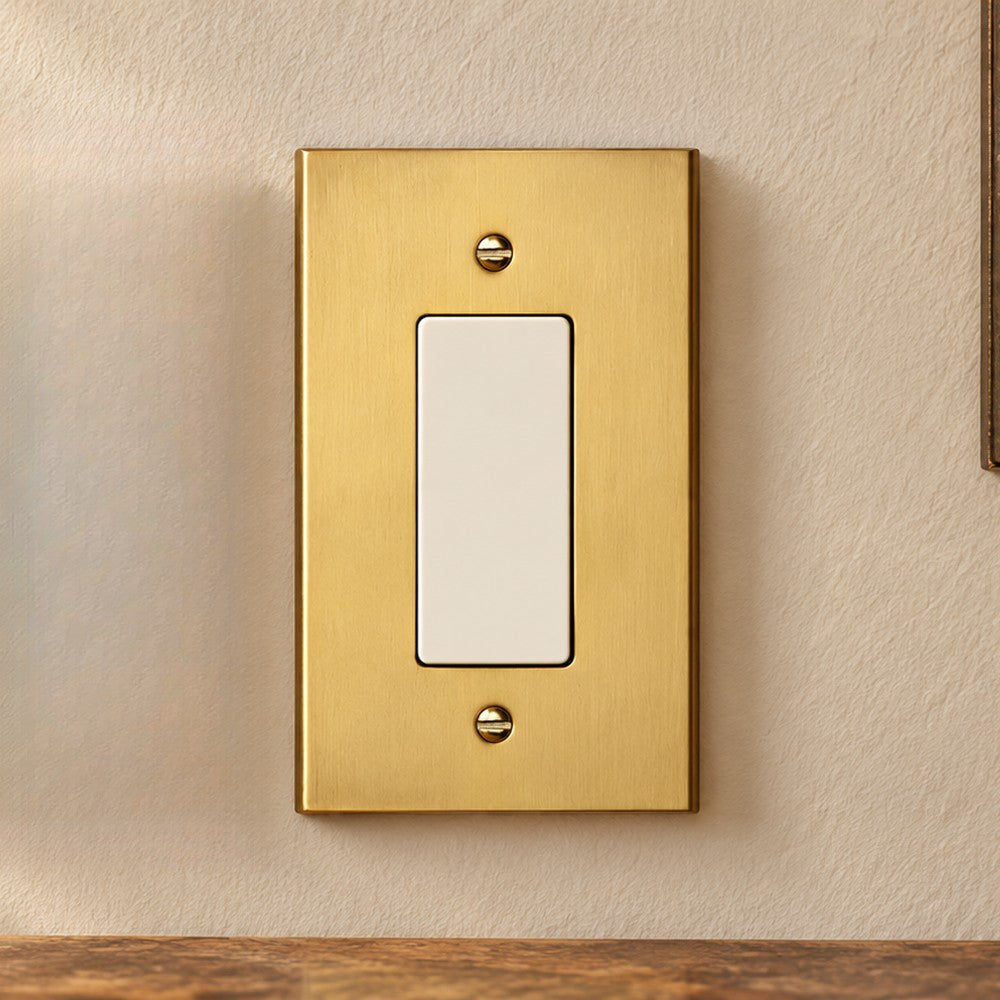
Rocker
A large rectangular opening for flat paddle switches, most dimmers and smart switches, and GFCI outlets.
Shop RockerCombination
Two or more different openings on one plate, for example a toggle beside an outlet.
Shop CombinationCombinations We Make
2-gang combinations below, plus 3-gang plates that mix toggle and rocker openings. The product photo always shows the exact order of the openings.
Check What's On Your Wall
No tools needed. Stand in front of the plate you want to replace.
- Count The OpeningsCount every position under the one plate, including any blank space. That number is your gang count.
- Read Them Left To RightName each opening: toggle, rocker, duplex or blank. If they are not all the same, you need a combination plate in that order, for example Toggle + Duplex.
- Check The Special CasesGFCI outlets, paddle and slide dimmers, and most smart switches take a rocker opening. Rotary dimmers usually take a toggle opening.
- Measure The PlateMeasure the width and height of your current plate and look for paint lines or an old outline around it. Then compare with the sizes below.
Midsize Or Standard
Midsize is a little larger on every side, so it covers more wall and hides paint lines, wallpaper edges and the outline of an old plate. Most of our collections are Midsize.
Standard is the classic size that matches most builder plates and suits tight spots next to trim, cabinets or a backsplash. Signature and Deco offer Standard on many configurations.
| Gangs | Midsize (most collections) | Signature & Deco Midsize | Scallop Midsize | Standard |
|---|---|---|---|---|
| 1-Gang | 3.13" × 5" | 3.13" × 4.94" | 3.5" × 5.31" | 2.75" × 4.5" |
| 2-Gang | 5" × 5" | 5" × 4.94" | 5.31" × 5.31" | 4.56" × 4.5" |
| 3-Gang | 6.94" × 5" | 6.75" × 4.94" | — | 6.33" × 4.5" |
| 4-Gang | 8.5" × 5" | 8.56" × 4.94" | — | 8.13" × 4.5" |
Outside size of the plate, width × height, in inches. Openings and screw positions are the same in both sizes; only the outer edge changes. A dash means that size is not offered.


Still Not Sure?
Email a photo of your current plate to molly@riosalto.com and we'll tell you the configuration and size to look for.